Key Takeaways
- Vitamin C does not prevent common colds.
- It can help reduce the duration of a cold.
- Optimal dosing is crucial for effectiveness.
The Science Behind Vitamin C and Colds
Vitamin C, also known as ascorbic acid, has long been touted as a remedy for the common cold. Over the years, numerous studies have been conducted to explore its efficacy. A comprehensive review published in the 'Cochrane Database of Systematic Reviews' analyzed multiple trials and concluded that regular Vitamin C supplementation does not significantly reduce the risk of developing a cold. However, it found that Vitamin C can reduce the duration and severity of colds when taken consistently before the onset of symptoms.
Health Benefits and Mechanisms
The primary mechanism through which Vitamin C influences cold duration is its role in boosting the immune system. As a potent antioxidant, Vitamin C helps protect cells from damage by free radicals and supports the function of various immune cells. It enhances the production of white blood cells, which are crucial in fighting infections. By maintaining the integrity of the skin and mucous membranes, Vitamin C acts as a barrier to pathogens, reducing the impact of viral infections like the common cold.
Practical Advice and Recommendations
To harness the benefits of Vitamin C in shortening cold duration, consistent intake is key. This means incorporating it regularly into your diet through foods rich in Vitamin C, such as oranges, strawberries, kiwi, and bell peppers. For those who struggle to meet their nutritional needs through diet alone, supplements can be a viable option. It's important to note that starting Vitamin C supplementation at the first sign of a cold is less effective than maintaining a regular intake.
Dosage and Timing Considerations
For optimal results, it is recommended that adults consume 200 to 500 mg of Vitamin C daily, well above the standard recommended dietary allowance (RDA) of 90 mg for men and 75 mg for women. This higher dosage has been shown to be both safe and effective in reducing cold duration. However, doses exceeding 2000 mg per day can lead to adverse effects such as gastrointestinal discomfort, so moderation is advised.
Who Is This For?
This information is particularly beneficial for adults who experience frequent colds, especially during winter months. Those with demanding lifestyles, such as busy professionals and parents, can also benefit from understanding the role of Vitamin C in managing cold symptoms and recovery.
Consult Your Doctor If...
Individuals with certain health conditions, such as kidney disease or hemochromatosis, should consult a healthcare provider before increasing their Vitamin C intake, as it may exacerbate their condition.
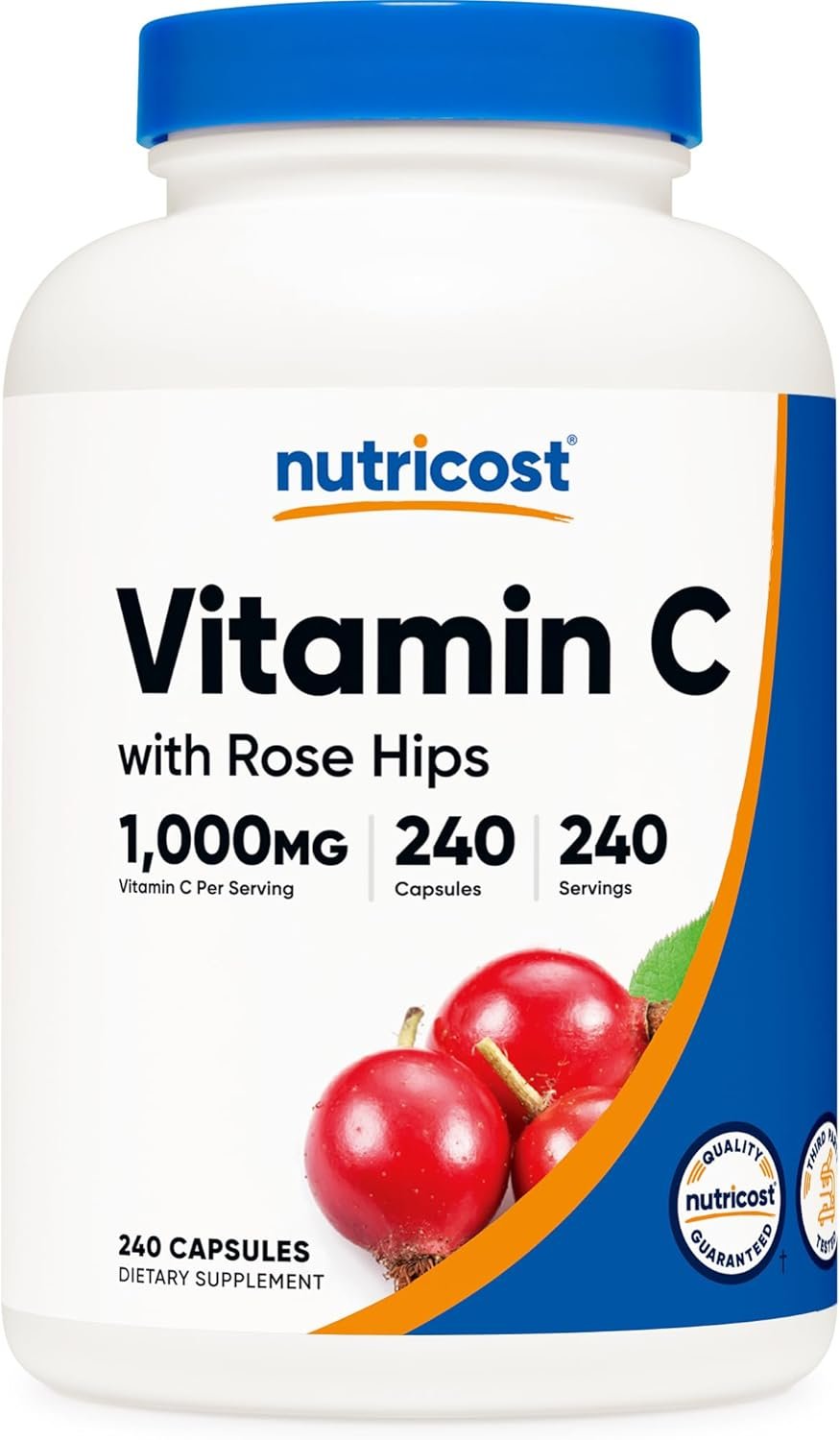
Nutricost Vitamin C with Rose Hips 1025mg, 240 Capsules
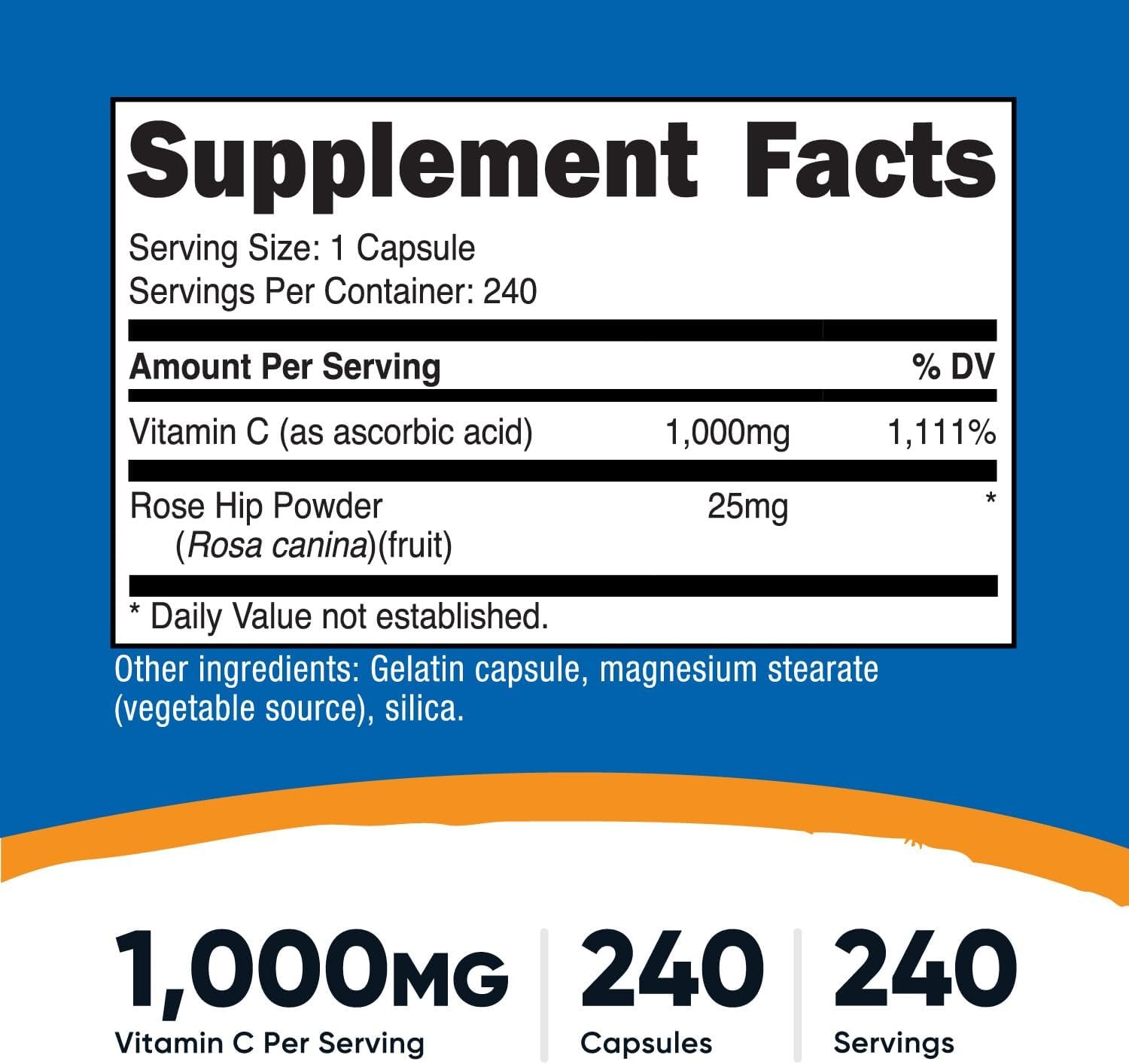
This is the Vitamin C supplement that keeps showing up in longevity circles, and for good reason. Nutricost delivers a full 1,000mg clinical dose in a single capsule with added Rose Hips for enhanced absorption.
Rose Hips are one of nature's richest sources of Vitamin C themselves, plus they contain additional bioflavonoids that help your body use the Vitamin C more efficiently. It's a smart pairing.
- 1,000mg Vitamin C per capsule — the dose used in clinical studies
- 25mg Rose Hips for enhanced absorption and extra antioxidants
- 240 capsules per bottle — 8 months of daily immune support
- Made in an NSF Certified, GMP Compliant, FDA Registered facility
- 1,000mg Vitamin C + 25mg Rose Hips per capsule
- 240 capsules — 8 months supply for under $14
- Non-GMO, Gluten Free, 3rd Party Tested
- Amazon's Choice — 20K+ bought last month
- Just one capsule per day
Recommended Dosage
1 capsule daily with food. During cold and flu season or at the first sign of illness, you can increase to 2,000mg (2 capsules) daily. Vitamin C is water-soluble — your body will excrete what it doesn't need.
Frequently Asked Questions
Get Longevity Insights Delivered
Evidence-based health research, supplement guides & new articles — straight to your inbox.
Sources & References
- 'Cochrane Database of Systematic Reviews'
- Mayo Clinic
- National Institutes of Health (NIH)
- Harvard Health Publishing
- Manufacturer clinical data