The Gut-Skin Connection: How Your Microbiome Affects Your Face
Unlock radiant skin from the inside out by understanding the powerful link between your digestive health and complexion
What Is the Gut-Skin Axis?
The gut-skin axis represents one of the most fascinating discoveries in modern dermatology and wellness science. This bidirectional communication pathway connects your gastrointestinal system with your skin, creating a complex network where the health of one directly influences the other.
Your gut microbiome—home to trillions of bacteria, fungi, and other microorganisms—doesn't just digest food. It serves as a command center for your immune system, neurotransmitter production, and inflammatory responses. When this delicate ecosystem falls out of balance, your skin often becomes the first visible casualty.
Research has shown that the gut microbiome influences skin health through multiple mechanisms: modulating systemic inflammation, regulating immune responses, controlling oxidative stress, and even affecting the production of essential nutrients like biotin and vitamin K that support skin integrity.
Key Insight: The same inflammatory molecules that cause digestive distress can travel through your bloodstream and trigger skin inflammation, leading to breakouts, redness, and accelerated aging.
How Gut Bacteria Influence Skin Inflammation
Your gut bacteria are master regulators of inflammation throughout your body. When beneficial bacteria like Lactobacillus and Bifidobacterium thrive, they produce anti-inflammatory compounds that help maintain your skin's calm, clear appearance. However, when harmful bacteria overgrow—a condition called dysbiosis—they release inflammatory substances that can wreak havoc on your complexion.
The Inflammatory Cascade
Dysbiosis triggers a cascade of inflammatory events. Harmful bacteria produce lipopolysaccharides (LPS), toxic compounds that activate your immune system. When LPS leaks into your bloodstream through a compromised gut lining, it signals your body to release pro-inflammatory cytokines—chemical messengers that promote inflammation.
These inflammatory signals don't stay localized in your gut. They circulate throughout your body, eventually reaching your skin where they:
- Increase sebum production: Inflammatory cytokines stimulate your sebaceous glands to produce excess oil, creating an environment where acne-causing bacteria thrive
- Trigger oxidative stress: Free radicals generated by inflammation damage collagen and elastin, accelerating visible signs of aging
- Disrupt skin barrier function: Inflammation weakens your skin's protective barrier, leading to increased sensitivity, dehydration, and vulnerability to environmental damage
- Promote blood vessel dilation: This creates the characteristic redness associated with conditions like rosacea and inflammatory acne
The Protective Role of Beneficial Bacteria
On the flip side, a diverse, balanced microbiome acts as your skin's invisible shield. Beneficial bacteria produce short-chain fatty acids (SCFAs) like butyrate, acetate, and propionate during the fermentation of dietary fiber. These compounds have powerful anti-inflammatory properties that help:
- Strengthen the gut lining to prevent inflammatory molecules from entering circulation
- Regulate immune cell activity to prevent overactive inflammatory responses
- Produce vitamins and antioxidants that support skin health
- Compete with harmful bacteria for resources, keeping them in check
The Gut-Skin Connection to Acne, Eczema, and Rosacea
Acne and the Microbiome
Multiple studies have revealed striking differences in the gut microbiomes of people with acne compared to those with clear skin. Individuals with acne tend to have reduced microbial diversity and higher levels of inflammatory bacterial strains. This dysbiosis contributes to acne through several pathways:
- Insulin and IGF-1 elevation: Gut dysbiosis can impair blood sugar regulation, leading to insulin spikes that increase sebum production and pore-clogging
- Systemic inflammation: Inflammatory compounds from the gut amplify the inflammatory response around acne lesions, making them redder and more painful
- Hormonal disruption: Your gut bacteria help metabolize hormones like estrogen and testosterone. When this process is disrupted, hormonal imbalances can trigger breakouts
Clinical Evidence: A landmark study published in the Journal of the Academy of Dermatology found that probiotic supplementation improved acne severity scores by 32% over 12 weeks compared to placebo.
Eczema (Atopic Dermatitis)
The gut-skin connection is particularly pronounced in eczema. Research shows that infants who develop eczema have less diverse gut microbiomes in early life compared to those who don't. This suggests that establishing a healthy microbiome during infancy may help prevent this chronic inflammatory skin condition.
In eczema, gut dysbiosis contributes to:
- Heightened immune sensitivity and allergic responses
- Increased production of IgE antibodies that trigger skin inflammation
- Compromised skin barrier function, allowing irritants and allergens to penetrate more easily
- Chronic low-grade inflammation that keeps the skin in a reactive state
Rosacea
Rosacea, characterized by facial redness, visible blood vessels, and sometimes acne-like bumps, has strong links to digestive health. Studies show that people with rosacea have significantly higher rates of small intestinal bacterial overgrowth (SIBO)—a condition where bacteria proliferate in the small intestine where they shouldn't be abundant.
The rosacea-gut connection includes:
- H. pylori infection: This stomach bacterium is found more frequently in rosacea patients and may trigger inflammatory responses affecting the skin
- Vascular inflammation: Bacterial endotoxins can cause blood vessel inflammation, leading to the characteristic facial flushing
- Immune activation: Certain gut bacteria trigger immune pathways that increase the production of cathelicidin, an antimicrobial peptide that, in excess, contributes to rosacea symptoms
The Role of Intestinal Permeability
Intestinal permeability—often called "leaky gut"—plays a central role in the gut-skin axis. Your intestinal lining is designed to be selectively permeable, allowing nutrients to pass through while blocking harmful substances. This barrier is maintained by tight junction proteins that seal the gaps between intestinal cells.
When the Barrier Breaks Down
Various factors can compromise these tight junctions, including chronic stress, poor diet, alcohol consumption, certain medications (especially NSAIDs and antibiotics), and gut dysbiosis itself. When intestinal permeability increases, larger molecules that should stay in the gut—including bacterial fragments, undigested food particles, and toxins—can slip through into the bloodstream.
This triggers a systemic immune response. Your body recognizes these foreign substances as threats and mounts an inflammatory defense. This chronic, low-grade inflammation doesn't just affect your gut—it circulates throughout your body, eventually manifesting in your skin as:
- Inflammatory acne and frequent breakouts
- Eczema flares and increased skin sensitivity
- Rosacea symptoms and facial redness
- Premature aging due to ongoing oxidative stress
- Delayed wound healing and increased scarring
The Inflammation-Permeability Cycle
What makes leaky gut particularly problematic is its self-perpetuating nature. Inflammation damages the gut lining, increasing permeability. This increased permeability allows more inflammatory triggers to enter circulation, creating more inflammation, which further damages the gut lining. Breaking this cycle requires addressing both the microbiome imbalance and the intestinal barrier integrity.
Important Note: While "leaky gut" is not yet recognized as a formal medical diagnosis, increased intestinal permeability is an established physiological phenomenon with growing research support, particularly in the context of inflammatory and autoimmune conditions.
How to Support Gut Health for Better Skin
Transforming your skin through gut health requires a comprehensive approach that addresses diet, lifestyle, and targeted supplementation. Here's your action plan for cultivating a microbiome that supports radiant, healthy skin:
1. Prioritize Prebiotic and Probiotic Foods
Prebiotics are types of fiber that feed your beneficial gut bacteria, helping them thrive and produce skin-supportive compounds. Foods like garlic, onions, asparagus, and fiber-rich fruits provide the nourishment your good bacteria need. For a complete guide to prebiotic foods and how they specifically benefit your skin, see our in-depth article: Prebiotics for Skin: Feeding Your Good Bacteria for a Clear Complexion.
Probiotics introduce beneficial bacteria directly. Incorporate fermented foods like yogurt with live cultures, kefir, sauerkraut, kimchi, kombucha, miso, and tempeh. For specific probiotic strains proven to help skin conditions, see our Probiotics for Clear Skin guide.
2. Diversify Your Plant Intake
Microbiome diversity—having many different types of beneficial bacteria—correlates with better health outcomes. The best way to increase microbial diversity is to eat a wide variety of plant foods. Aim for 30+ different plant foods per week, including fruits, vegetables, nuts, seeds, legumes, and whole grains. Each plant contains unique fiber compounds that feed different bacterial species.
3. Minimize Gut Disruptors
Certain substances can damage your microbiome and increase intestinal permeability:
- Excessive sugar and refined carbohydrates: These feed harmful bacteria and yeast, promoting dysbiosis
- Artificial sweeteners: Studies show they can alter gut bacteria composition negatively
- Emulsifiers and food additives: Common in processed foods, these can damage the gut lining
- Unnecessary antibiotics: While sometimes essential, antibiotics indiscriminately kill both good and bad bacteria
- Excessive alcohol: Damages the intestinal barrier and promotes inflammation
4. Manage Stress Effectively
Your gut and brain communicate constantly via the gut-brain axis. Chronic stress alters gut bacteria composition, increases intestinal permeability, and promotes inflammation. Incorporate stress management practices like meditation, yoga, regular exercise, adequate sleep, and time in nature to support both your mental health and your microbiome.
5. Consider Targeted Probiotic Supplementation
While food should be your foundation, high-quality probiotic supplements can provide therapeutic doses of beneficial bacteria that may be difficult to obtain through diet alone. Look for supplements that contain:
- Multiple bacterial strains: Diversity is key; look for products with 10+ strains
- Adequate CFUs: At least 10-50 billion colony-forming units per serving
- Clinically studied strains: Lactobacillus and Bifidobacterium species have the most research support
- Shelf-stable formulations: Modern probiotics don't necessarily need refrigeration if properly formulated
6. Support Gut Lining Integrity
To heal and maintain your intestinal barrier, consider nutrients that specifically support the gut lining:
- L-glutamine: An amino acid that serves as primary fuel for intestinal cells
- Zinc: Essential for maintaining tight junction proteins
- Omega-3 fatty acids: Reduce inflammation and support cell membrane health
- Vitamin D: Regulates immune function and supports barrier integrity
- Collagen or bone broth: Provides amino acids that support gut lining repair
Timeline: While some people notice skin improvements within 2-4 weeks of improving gut health, significant changes typically take 8-12 weeks as your microbiome rebalances and inflammation subsides. Consistency is key for lasting results.
Top-Rated Gut Health Supplements for Radiant Skin
Support your skin from the inside out with these science-backed probiotic formulations designed to optimize your gut microbiome.
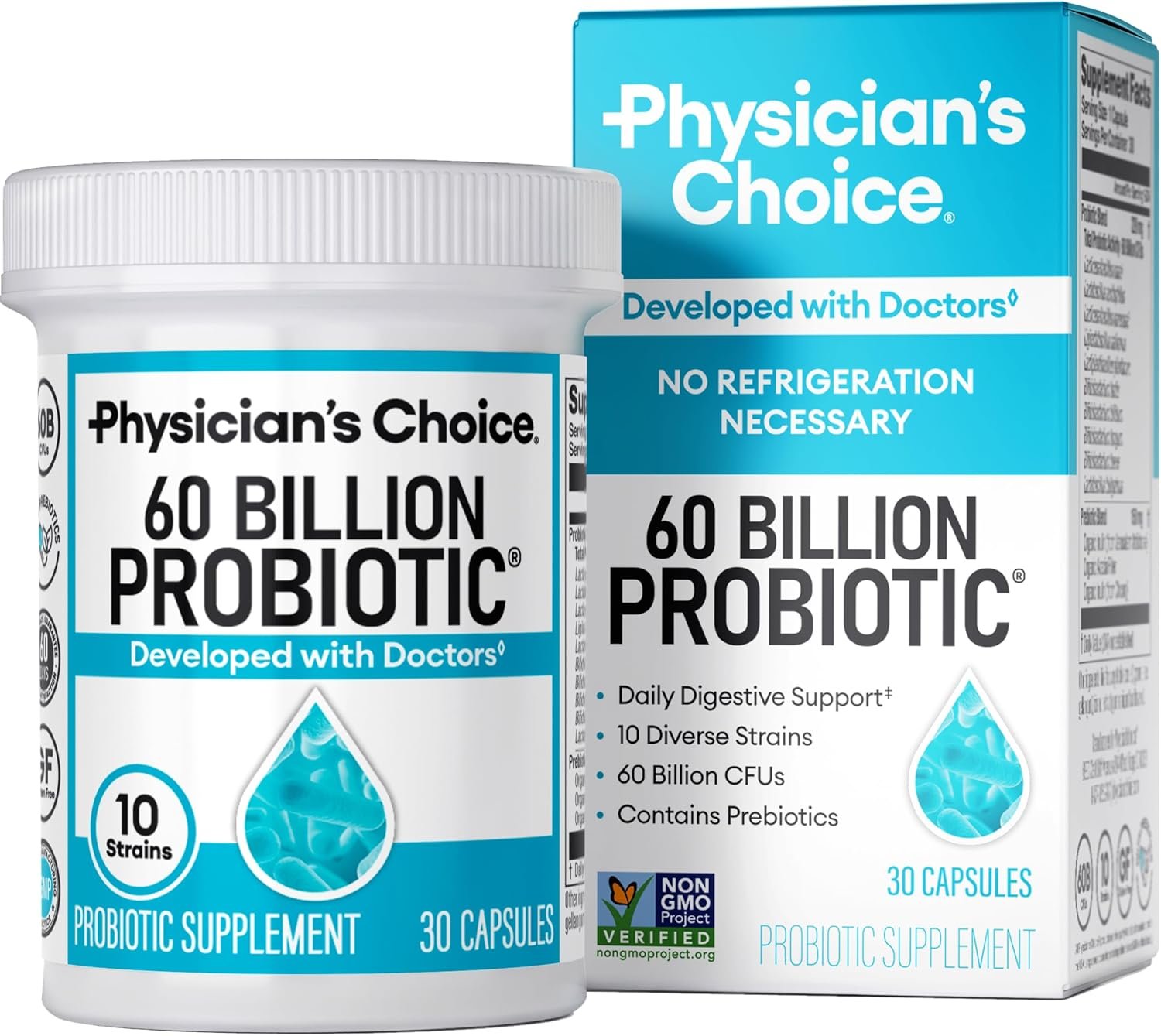
#1 Best Seller on Amazon with 149,000+ reviews. 10 diverse probiotic strains plus organic prebiotic fiber for maximum gut support. Shelf-stable, natural formula with Lactobacillus acidophilus. Supports digestive health, immune function, and skin clarity from the inside out.
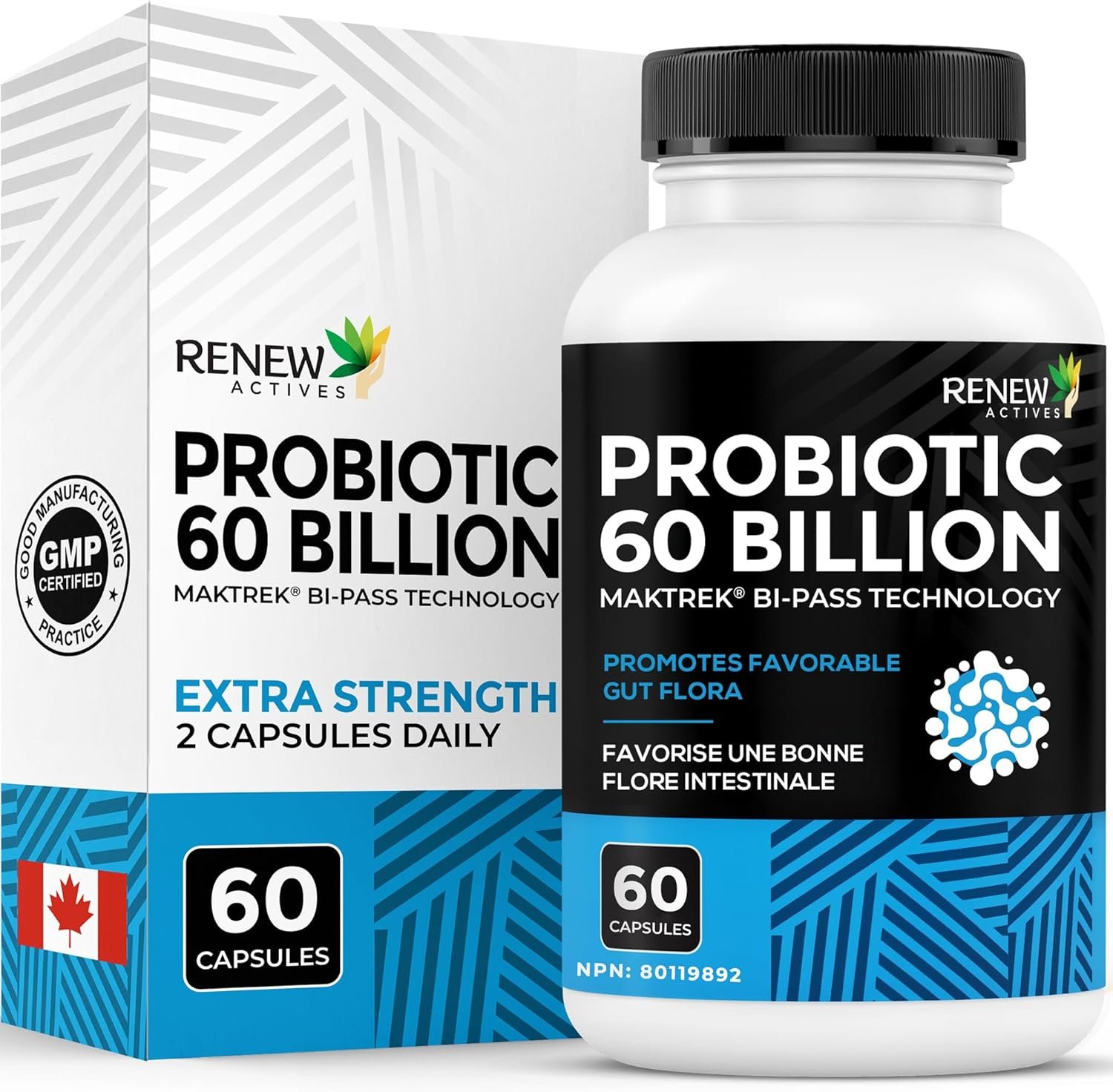
Budget-friendly 60 Billion CFU with advanced prebiotic formula. Marine polysaccharides enhance intestinal mobility and boost effectiveness. Supports gut flora balance and digestive wellness. Made in Canada. 60 capsules.
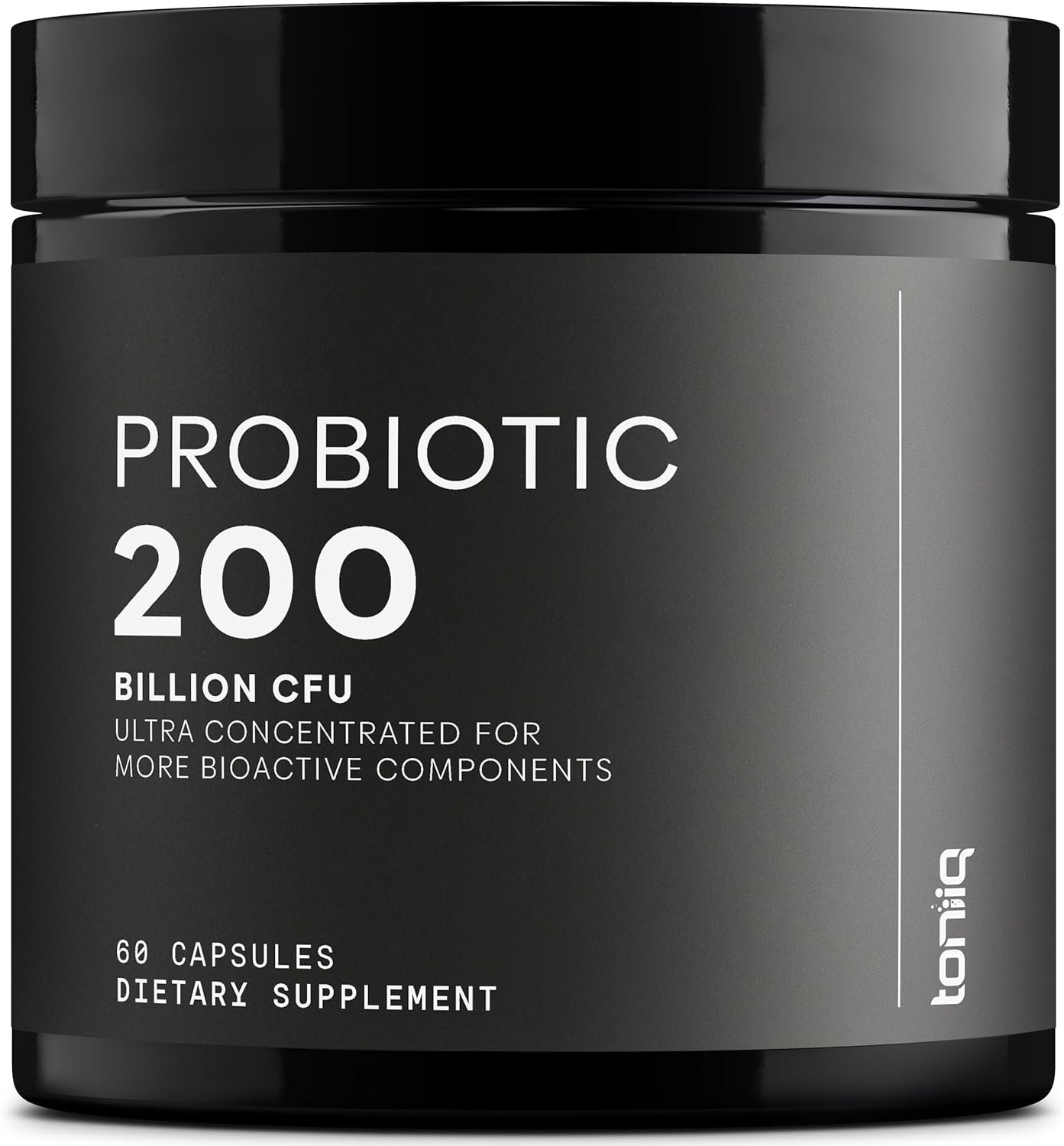
Maximum strength 200 Billion CFU with 30 verified probiotic strains plus prebiotic enzymes. Extended release capsules for optimal delivery. Fully shelf-stable formula. 60 capsules for ultimate gut restoration and skin clarity support.
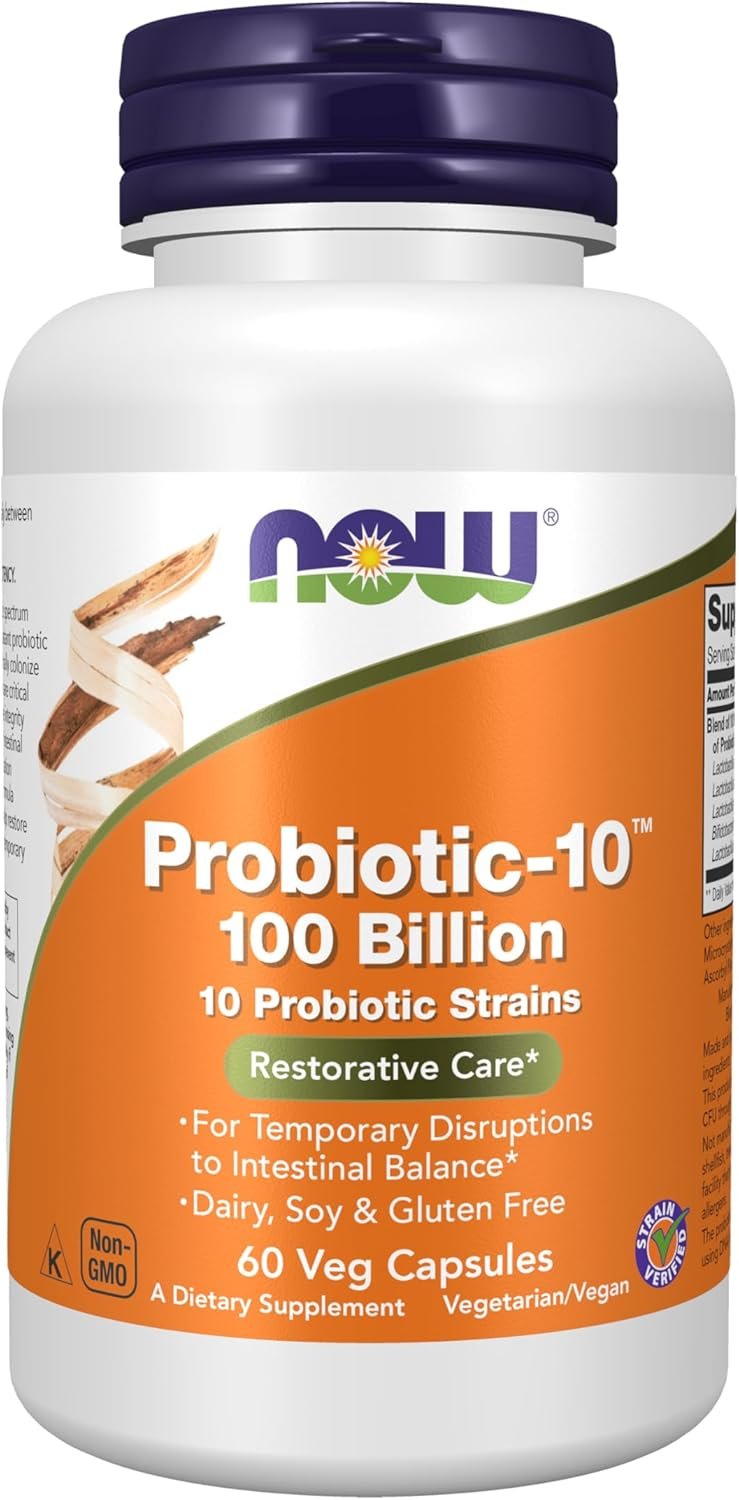
Amazon's Choice with 100 Billion CFU - maximum strength probiotic with 10 clinically-studied strains. Acid-resistant formula ensures maximum delivery to the intestines. NOW Foods is known for rigorous GMP quality testing. 60 veg capsules for serious gut restoration and skin support.
The Bottom Line
The gut-skin connection represents a paradigm shift in how we approach skincare. Rather than only treating symptoms topically, we now understand that lasting skin health begins in your digestive system. By nurturing a diverse, balanced microbiome through diet, lifestyle, and targeted supplementation, you're not just supporting your gut—you're creating the foundation for radiant, resilient skin that glows from within.
Your journey to clearer, healthier skin may require patience as your microbiome rebalances, but the results are worth the investment. As you reduce systemic inflammation, strengthen your gut barrier, and optimize the communication between your digestive system and your skin, you'll likely notice improvements not just in your complexion, but in your overall health and vitality.
Remember: While optimizing gut health can dramatically improve skin appearance, persistent or severe skin conditions should be evaluated by a dermatologist or healthcare provider. The gut-skin approach works best as part of a comprehensive skincare strategy.