Collagen has become one of the most popular beauty supplements on the market, promising everything from smoother skin to stronger joints. But with so many types and sources available, how do you know which collagen supplement is right for you? This comprehensive guide breaks down everything you need to know about collagen supplements, from the different types to clinical evidence and what results you can realistically expect.
Understanding Collagen Types
Not all collagen is created equal. There are 28 different types of collagen in the human body, but three types dominate the supplement market and serve distinct functions:
Type I Collagen
Type I is the most abundant collagen in your body, making up about 90% of your body's total collagen. It's the primary structural protein in skin, bones, tendons, ligaments, and connective tissue. When you're looking for skin benefits, Type I collagen is your main target.
Type II Collagen
Type II collagen is found primarily in cartilage and is the go-to supplement for joint health. It's less common in beauty-focused supplements but essential for anyone experiencing joint discomfort or looking to support cartilage health.
Type III Collagen
Type III collagen is often found alongside Type I in skin and blood vessels. It plays a crucial role in the structure of organs and arteries and is particularly important for skin elasticity and firmness.
Pro Tip: Multi-collagen supplements that combine Types I, II, and III offer comprehensive benefits for both beauty and overall health, making them an excellent choice for most people.
Marine vs. Bovine Collagen: Which Should You Choose?
The source of your collagen matters, and the two most popular options each have distinct advantages.
Marine Collagen
Marine collagen is derived from fish skin and scales, consisting primarily of Type I collagen. It has a smaller particle size, which some research suggests may lead to better absorption and bioavailability.
Advantages:
- Superior bioavailability due to smaller peptide size
- Primarily Type I collagen, ideal for skin benefits
- Sustainable sourcing when from wild-caught fish
- Often preferred by those avoiding mammalian products
Considerations:
- Higher price point (typically 20-30% more expensive)
- May have a mild fishy taste or smell
- Not suitable for those with fish allergies
Bovine Collagen
Bovine collagen comes from cow hides and bones, providing both Type I and Type III collagen. It's the most widely available and studied form of collagen supplementation.
Advantages:
- Contains both Type I and Type III collagen
- More affordable than marine options
- Neutral taste and odor
- Extensive clinical research supporting efficacy
Considerations:
- Not suitable for pescatarians or those avoiding beef
- Quality depends heavily on sourcing (grass-fed is best)
- Slightly larger peptide size than marine collagen
The Verdict: For skin-focused benefits, marine collagen may have a slight edge in bioavailability. For comprehensive skin and structural support at a better price point, bovine collagen is excellent. Both are effective when properly hydrolyzed.
Hydrolyzed Collagen Peptides Explained
You'll often see the terms "hydrolyzed collagen" or "collagen peptides" on supplement labels. But what does this actually mean?
Hydrolyzed collagen has been broken down through a process called hydrolysis, which uses water, enzymes, or acid to break the long collagen protein chains into shorter chains of amino acids called peptides. This process is crucial for several reasons:
Why Hydrolysis Matters
- Enhanced Absorption: Smaller peptides are much easier for your digestive system to absorb compared to whole collagen proteins
- Better Bioavailability: Hydrolyzed collagen can enter your bloodstream more efficiently and reach target tissues
- Improved Solubility: Collagen peptides dissolve easily in both hot and cold liquids, making them convenient to use
- No Gelling: Unlike gelatin, hydrolyzed collagen won't thicken your drinks or create a gel-like texture
When shopping for collagen supplements, always look for "hydrolyzed collagen" or "collagen peptides" on the label. These forms have been processed for optimal absorption and are backed by the most clinical research.
Molecular Weight Matters: The most bioavailable collagen peptides have a molecular weight between 2,000 and 5,000 Daltons. Some premium brands will list this information on their packaging.
Clinical Evidence for Skin Benefits
The beauty industry is full of unsubstantiated claims, but collagen supplementation actually has solid scientific backing for skin health benefits.
What the Research Shows
Multiple clinical trials have demonstrated that oral collagen supplementation can improve skin health:
- Skin Hydration: A 2019 review of 11 studies found that collagen supplementation significantly improved skin hydration and elasticity after 90 days
- Wrinkle Reduction: Women taking 2.5-5g of collagen peptides daily showed a 20% reduction in wrinkle depth after 8 weeks in a double-blind, placebo-controlled study
- Skin Elasticity: Research published in the Journal of Cosmetic Dermatology showed a 7.5% increase in skin elasticity after 4 weeks of supplementation
- Collagen Density: Studies using ultrasound imaging have documented increased collagen density in the dermis after 12 weeks of supplementation
How It Works
When you consume hydrolyzed collagen, the peptides are absorbed in your small intestine and distributed throughout your body via the bloodstream. Research suggests these peptides:
- Stimulate fibroblasts (cells that produce collagen) to increase collagen production
- Promote the production of other proteins like elastin and fibrillin
- Help protect existing collagen from degradation
- Support the skin's moisture retention capacity
Important Note: While the evidence is promising, individual results vary. Factors like age, overall diet, sun exposure, and lifestyle habits all influence collagen supplementation outcomes.
Optimal Dosage: How Much Collagen Should You Take?
Dosage is crucial for seeing results. Too little won't have noticeable effects, while more isn't necessarily better.
| Goal | Recommended Daily Dose | Notes |
|---|---|---|
| Skin Health & Anti-Aging | 10-15 grams | Most clinical studies showing skin benefits used this range |
| Joint Health | 8-12 grams | Type II collagen may be effective at lower doses (40mg) |
| Hair & Nail Strength | 5-10 grams | Benefits often appear alongside skin improvements |
| General Wellness | 5-10 grams | Maintenance dose for overall collagen support |
Dosage Guidelines
- Start Low: Begin with 5-10g daily for the first week to assess tolerance
- Build Up: Increase to 10-15g daily for optimal skin benefits
- Stay Consistent: Daily supplementation is key; sporadic use won't deliver results
- Don't Exceed 30g: There's no evidence that megadoses provide additional benefits
Pro Tip: One scoop of most collagen powders contains 10-11 grams, making it easy to hit the optimal dosage range with a single daily serving.
How Long Until You See Results?
Patience is essential when supplementing with collagen. Unlike topical products that may provide temporary effects, oral collagen works from the inside out, which takes time.
Realistic Timeline
- 2-4 Weeks: You may notice improved skin hydration and a subtle "glow"
- 4-8 Weeks: Hair and nails may appear stronger and grow faster
- 8-12 Weeks: Visible improvements in fine lines, wrinkles, and skin elasticity typically appear
- 3-6 Months: Maximum benefits for skin texture, firmness, and overall appearance
- Ongoing: Continuous supplementation maintains results and supports long-term skin health
Most clinical studies evaluate collagen supplementation over 8-12 weeks, which aligns with the skin's natural renewal cycle. Your body needs time to absorb the peptides, stimulate collagen production, and generate new collagen fibers.
Remember: Collagen supplementation is a long-term investment in your skin health, not a quick fix. Consistency over 3+ months is essential for visible results.
Best Time to Take Collagen
While you can take collagen at any time of day, timing can optimize absorption and benefits.
Morning (Empty Stomach)
Many experts recommend taking collagen first thing in the morning on an empty stomach. This allows for optimal absorption without competition from other foods or proteins.
Benefits:
- Maximum absorption rate
- Easy to establish as a daily habit
- Can be added to morning coffee or smoothie
Before Bed
Your body does most of its repair and regeneration during sleep, making bedtime another strategic time for collagen supplementation.
Benefits:
- Supports overnight skin repair processes
- May improve sleep quality (glycine in collagen has calming properties)
- Provides amino acids during the fasting period
With Vitamin C
Regardless of timing, consider pairing your collagen with vitamin C. Vitamin C is essential for collagen synthesis, helping your body convert the amino acids from collagen supplements into usable collagen fibers.
Easy ways to combine:
- Add collagen to orange juice or a vitamin C-rich smoothie
- Take a vitamin C supplement alongside your collagen
- Mix collagen powder into a smoothie with berries or citrus fruits
The Bottom Line: The best time to take collagen is whenever you'll be most consistent. Whether that's morning, evening, or with a meal, daily consistency matters more than perfect timing.
Maximizing Your Results
To get the most from your collagen supplementation, consider these additional tips:
- Stay Hydrated: Collagen works best when your skin is well-hydrated; aim for 8+ glasses of water daily
- Protect from Sun: UV damage breaks down collagen faster than you can rebuild it; always use SPF
- Eat Collagen-Supporting Foods: Include bone broth, eggs, and vitamin C-rich foods in your diet
- Limit Sugar: Excess sugar can damage collagen through glycation; moderate your intake
- Don't Smoke: Smoking significantly accelerates collagen breakdown and reduces supplementation benefits
- Quality Sleep: Aim for 7-9 hours nightly to support skin repair and regeneration
Top Collagen Supplements to Consider
Ready to start your collagen journey? Here are three highly-rated options that deliver quality, purity, and results:
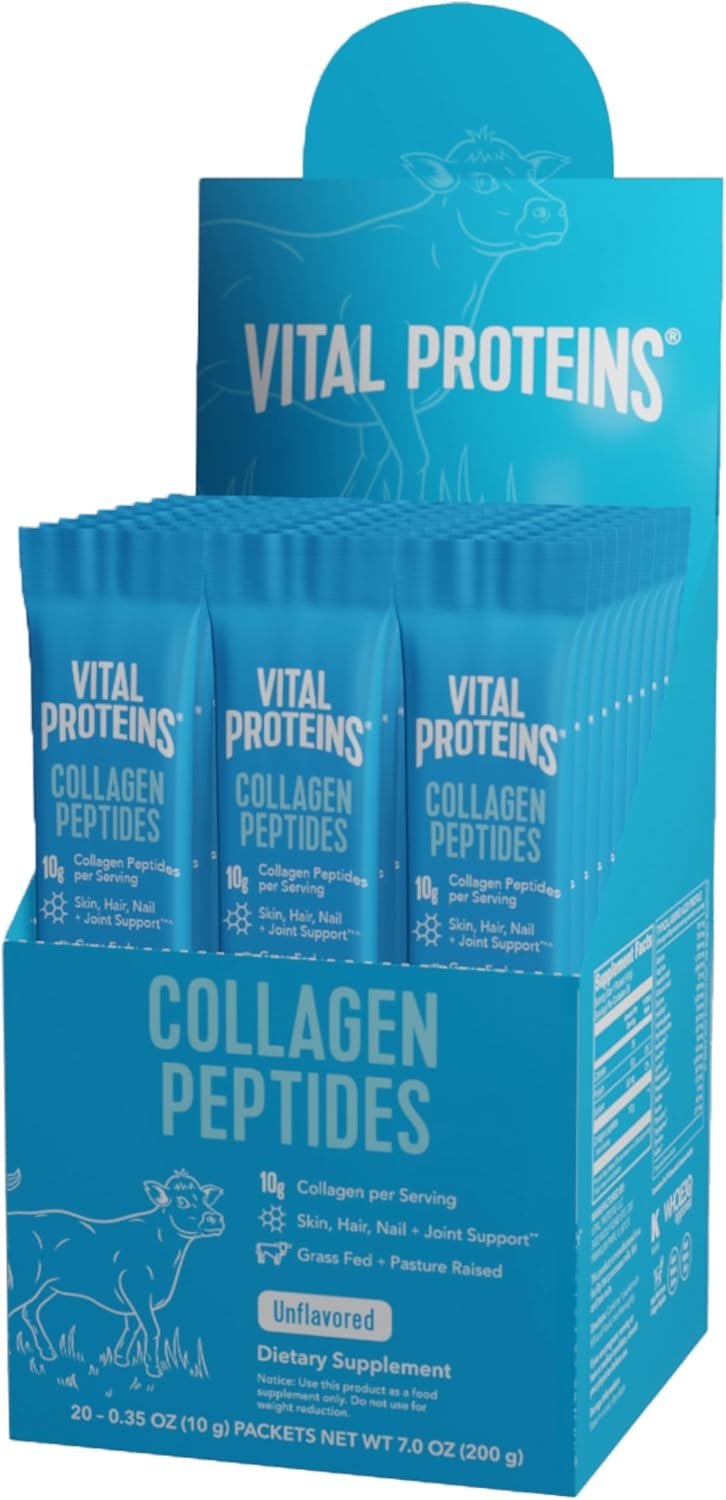
The gold standard in collagen supplements. Grass-fed, pasture-raised bovine collagen providing Types I and III. Hydrolyzed peptides travel pack - 20 individual packets. Overall Pick with 80K+ reviews.
View on Amazon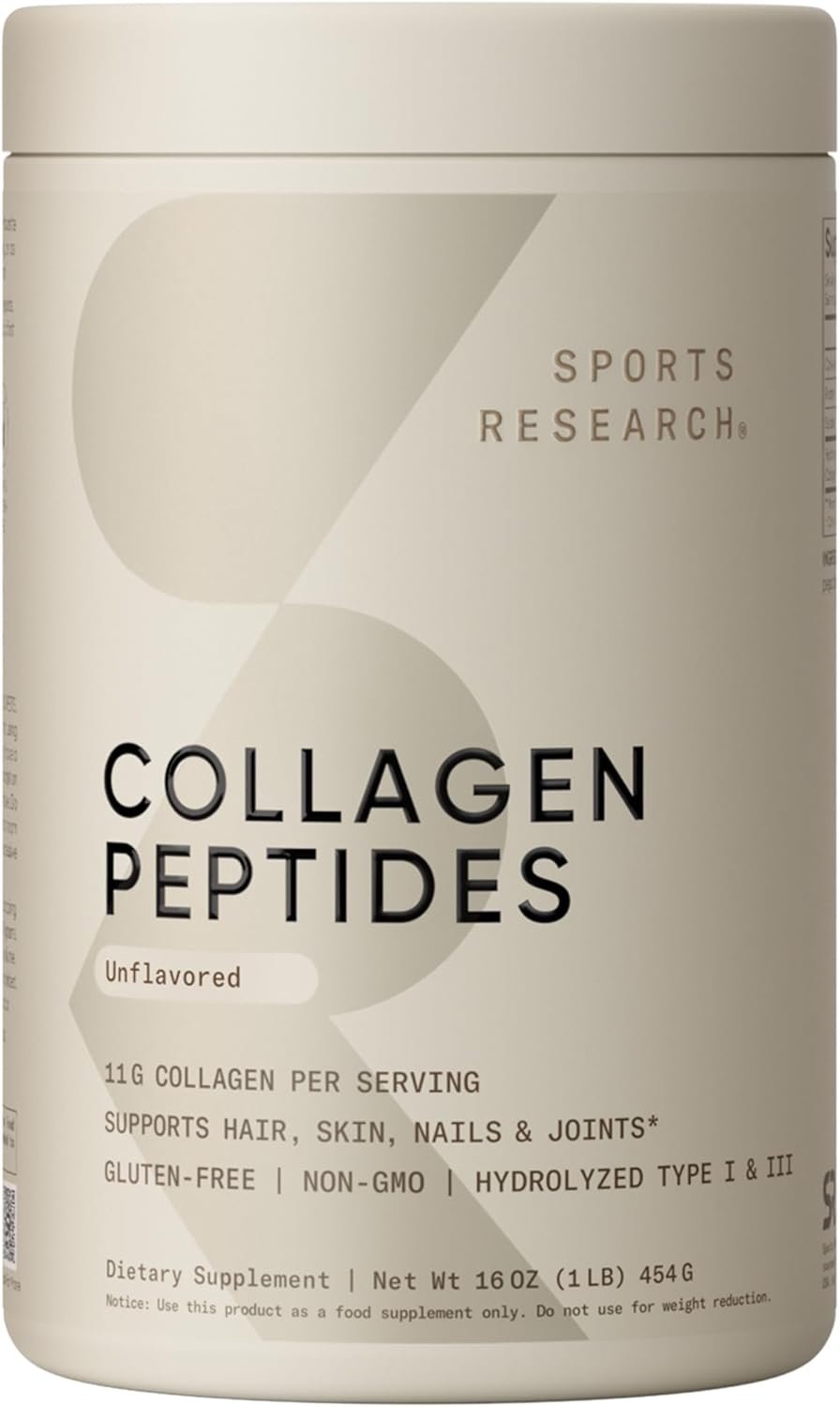
Hydrolyzed Type 1 & 3 Collagen for healthy skin, nails & joints. Easy mixing vital nutrients & proteins. 140K+ reviews, 30K+ bought monthly. Sustainably sourced.
View on Amazon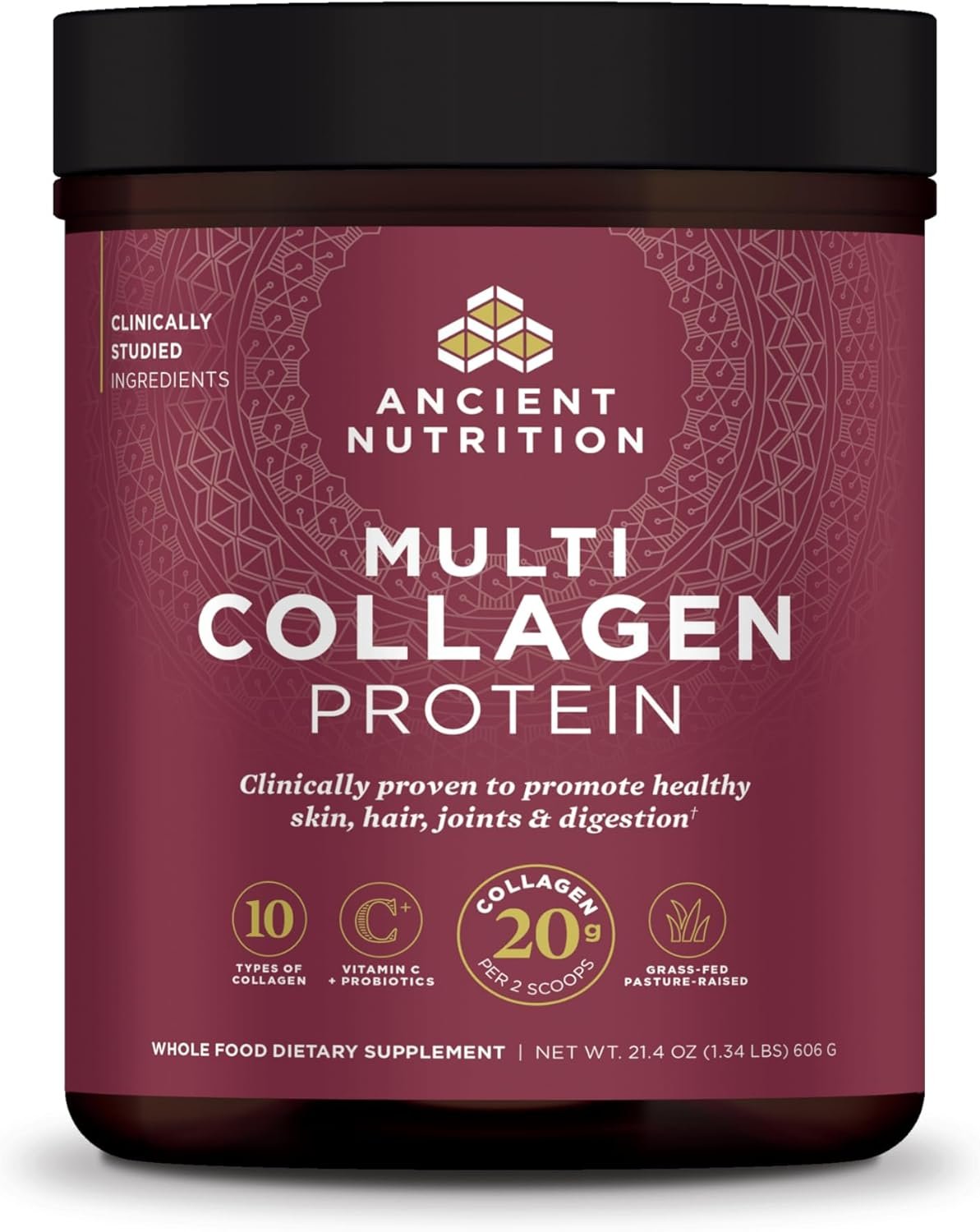
Hydrolyzed collagen with probiotics for gut health support. Multi-type collagen from real food sources for skin, joints, and whole-body benefits. Unflavored and easy to mix.
View on AmazonFinal Thoughts
Collagen supplementation represents one of the few beauty supplements with solid scientific backing. While it's not a miracle cure, consistent use of 10-15g of quality hydrolyzed collagen daily can deliver noticeable improvements in skin hydration, elasticity, and overall appearance within 8-12 weeks.
Whether you choose marine collagen for its superior bioavailability, bovine collagen for its comprehensive benefits, or a multi-collagen blend for whole-body support, the key is selecting a quality product and taking it consistently. Combined with a healthy lifestyle, sun protection, and proper skincare, collagen supplements can be a valuable tool in your anti-aging arsenal.
Remember: beautiful skin is built from the inside out, and collagen provides the building blocks your body needs to maintain that youthful glow for years to come.