HIGHEST QUALITY
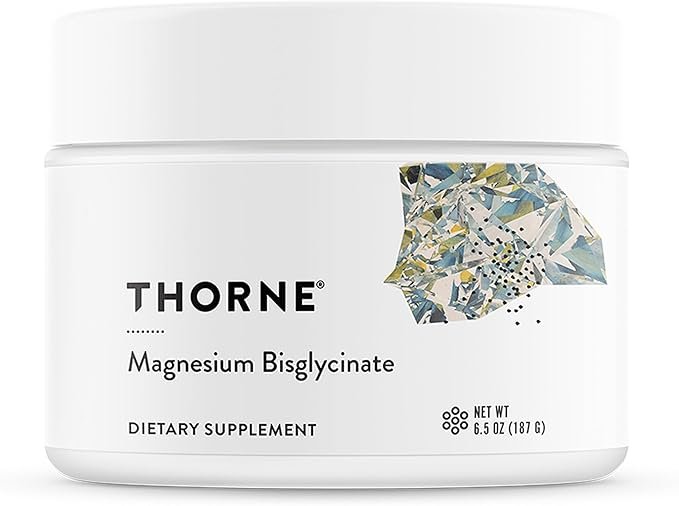
Thorne Magnesium Bisglycinate
60 Servings
$50.00
✓ NSF Certified ✓ Pharmaceutical-Grade
View on Amazon
Free Prime shipping
Affiliate link
Best Testosterone Boosters for Men Over 40
✓
Longevity Futures Research Team
Evidence-Based Content
📚 Peer-Reviewed Sources
🔄 Updated Nov 2025
Published: November 20, 2025
By Longevity Futures Research Team
As men approach and pass the age of 40, many begin to experience subtle but significant changes in their bodies. Energy levels may decline, muscle mass becomes harder to maintain, body fat increases more easily, and motivation can wane. While these changes are often attributed to simply "getting older," many are directly related to declining testosterone levels—a natural biological process that affects virtually all men as they age.
The good news is that declining testosterone is not an inevitable slide into poor health. Through evidence-based lifestyle modifications, proper medical care when needed, and in some cases, targeted supplementation, men can support healthy testosterone levels and maintain vitality well into their later years. This comprehensive guide explores the science behind testosterone decline, the real health risks of low testosterone, and the most effective approaches—from lifestyle changes to natural supplements—for supporting hormonal health in men over 40.
Key Benefits:
- Supports healthy testosterone levels through natural lifestyle approaches.
- May help maintain muscle mass, bone density, and metabolic health.
- Can improve energy levels, mood, and overall quality of life.
- Reduces risk factors associated with low testosterone (cardiovascular disease, metabolic syndrome).
- Provides evidence-based strategies backed by scientific research.
Important Medical Disclaimer: This article is for informational purposes only and does not constitute medical advice. If you suspect you have low testosterone or are experiencing symptoms, consult with a qualified healthcare provider for proper testing and diagnosis. Testosterone replacement therapy should only be undertaken under medical supervision. Always consult your doctor before starting any new supplement regimen, especially if you have existing health conditions or take medications.
Understanding Testosterone Decline: The Science of "Andropause"
Testosterone is the primary male sex hormone, responsible for far more than just reproductive function. It plays crucial roles in muscle mass maintenance, bone density, fat distribution, red blood cell production, mood regulation, cognitive function, and cardiovascular health. Peak testosterone production typically occurs in a man's late teens to early 20s, after which levels gradually decline.
Research indicates that testosterone levels decrease by approximately 1-2% per year after age 30-40 in most men [1]. This gradual decline is sometimes referred to as "andropause" or "late-onset hypogonadism," though it differs significantly from female menopause. Unlike the rapid hormonal changes women experience, men's testosterone decline is slow and progressive, with considerable individual variation.
Quick Facts:
- Testosterone declines approximately 1-2% per year after age 30-40.
- Low testosterone affects an estimated 20-40% of men over 45.
- Low T is associated with increased risk of cardiovascular disease, type 2 diabetes, and mortality.
- Lifestyle factors (sleep, exercise, diet, stress) significantly impact testosterone levels.
- Normal testosterone ranges from approximately 300-1000 ng/dL (varies by lab and age).
- Symptoms alone are insufficient for diagnosis—blood testing is essential.
By age 60-70, an estimated 20-40% of men have testosterone levels below the normal range, though the exact prevalence varies depending on diagnostic criteria used [2]. Not all men with declining testosterone experience symptoms, and not all symptoms necessarily indicate low testosterone—making proper medical evaluation essential.
Health Risks Associated with Low Testosterone
While some dismiss low testosterone as merely affecting libido or muscle mass, research reveals more serious health implications. Understanding these risks underscores why addressing testosterone decline goes beyond vanity or performance—it's a legitimate health concern.
Cardiovascular Disease Risk
Multiple studies have found associations between low testosterone and increased cardiovascular disease risk. A 2019 meta-analysis published in the Journal of the American Heart Association found that men with low testosterone had a 24% higher risk of cardiovascular events and 25% higher all-cause mortality compared to men with normal levels [3]. Low testosterone is associated with unfavorable changes in cholesterol profiles, increased arterial stiffness, and greater prevalence of atherosclerosis.
Metabolic Syndrome and Type 2 Diabetes
Low testosterone is strongly linked to metabolic syndrome—a cluster of conditions including abdominal obesity, high blood pressure, elevated blood sugar, and abnormal cholesterol levels that dramatically increase heart disease and diabetes risk. Research shows that men with low testosterone are approximately 2.3 times more likely to have metabolic syndrome [4]. Furthermore, low testosterone is both a risk factor for and consequence of type 2 diabetes, creating a potentially dangerous feedback loop.
Bone Health and Fracture Risk
Testosterone plays a critical role in maintaining bone density. Men with low testosterone have significantly higher rates of osteoporosis and fracture risk. Studies show that men with low testosterone have up to 2.7 times greater risk of hip fracture compared to men with normal levels [5]. For aging men, fractures can lead to serious complications, loss of independence, and increased mortality.
Mental Health and Cognitive Function
Testosterone influences mood, motivation, and cognitive function. Low testosterone has been associated with increased rates of depression, anxiety, irritability, and reduced overall quality of life. Some research suggests low testosterone may also be linked to increased risk of cognitive decline and dementia, though this relationship requires further study [6].
Symptoms of Low Testosterone
Common symptoms that may indicate low testosterone include:
- Reduced libido and sexual function
- Fatigue and decreased energy levels
- Loss of muscle mass and strength
- Increased body fat, particularly abdominal fat
- Decreased bone density
- Mood changes (depression, irritability, reduced motivation)
- Difficulty concentrating and memory issues
- Sleep disturbances
- Reduced facial and body hair growth
- Gynecomastia (breast tissue development)
However, these symptoms are non-specific and can result from many conditions. Many men attribute these changes to normal aging without realizing they may have a treatable hormonal deficiency. Conversely, some men seek testosterone treatment for symptoms not actually caused by low testosterone. This is why proper medical evaluation with blood testing is essential.
When to See a Doctor
You should consult a healthcare provider if you experience multiple symptoms of low testosterone, particularly if they significantly impact your quality of life. Your doctor can order appropriate blood tests to measure total testosterone, free testosterone, and related hormones. Testing should ideally be done in the morning when testosterone levels are highest, and abnormal results should be confirmed with repeat testing.
Proper medical evaluation is crucial because symptoms of low testosterone overlap with numerous other conditions including thyroid disorders, depression, sleep apnea, diabetes, and side effects of medications. Additionally, certain serious conditions (such as pituitary tumors) can cause low testosterone and require specific treatment.
If you are diagnosed with clinically low testosterone, your doctor can discuss treatment options, which may include testosterone replacement therapy (TRT). TRT is a medical treatment that requires ongoing monitoring and carries potential risks and side effects that must be carefully weighed against benefits. It is not appropriate for all men with low testosterone and should never be undertaken without medical supervision.
The Foundation: Lifestyle Approaches First
Before considering any supplements, it's critical to address lifestyle factors that significantly impact testosterone levels. For many men, optimizing these fundamentals can meaningfully improve testosterone without any supplementation. Even for men who ultimately need medical treatment or choose to try supplements, these lifestyle factors form the essential foundation.
1. Sleep: The Most Powerful Testosterone Booster
Quality sleep may be the single most important lifestyle factor for testosterone production. The majority of daily testosterone release occurs during sleep, particularly during REM stages. Research shows that men who sleep only 5 hours per night have testosterone levels 10-15% lower than those sleeping 8 hours [7]. Just one week of sleep restriction can significantly reduce testosterone levels in young, healthy men.
Action steps: Aim for 7-9 hours of quality sleep nightly. Maintain consistent sleep and wake times, create a dark and cool sleep environment, limit screen time before bed, avoid alcohol close to bedtime, and consider evaluation for sleep disorders like sleep apnea if you snore or wake feeling unrefreshed.
2. Resistance Training and Exercise
Resistance training, particularly compound exercises involving large muscle groups, acutely increases testosterone release and helps maintain healthy baseline levels. A 2020 review found that resistance training programs can increase testosterone levels by 15-20% in previously sedentary men [8]. The benefits extend beyond hormones—maintaining muscle mass, strength, and bone density directly addresses many concerns associated with testosterone decline.
However, balance is crucial. Excessive endurance exercise or chronic overtraining without adequate recovery can actually suppress testosterone. The goal is regular, progressive resistance training combined with moderate cardiovascular activity and sufficient rest.
Action steps: Engage in resistance training 3-4 times per week, focusing on compound movements like squats, deadlifts, presses, and rows. Include moderate cardiovascular exercise, but avoid chronic excessive endurance training. Prioritize adequate recovery between sessions.
3. Nutrition and Body Composition
Both what you eat and how much body fat you carry significantly affect testosterone. Obesity, particularly excess abdominal fat, is strongly associated with low testosterone due to increased aromatase enzyme activity that converts testosterone to estrogen. Research shows that losing even 5-10% of body weight can significantly improve testosterone levels in overweight men [9].
Adequate calorie intake is also important—severe caloric restriction and very low-fat diets can suppress testosterone production. Testosterone is synthesized from cholesterol, and adequate dietary fat (particularly monounsaturated and saturated fats) is necessary for optimal hormone production.
Action steps: If overweight, work toward gradual, sustainable fat loss through moderate caloric deficit. Ensure adequate protein intake (approximately 0.7-1g per pound of body weight) to support muscle maintenance. Include healthy fats from sources like olive oil, avocados, nuts, fatty fish, and whole eggs. Consume sufficient micronutrients through a varied diet rich in vegetables, fruits, and whole foods.
4. Stress Management
Chronic psychological stress elevates cortisol, which has an inverse relationship with testosterone—when cortisol goes up, testosterone tends to go down. High stress levels are associated with lower testosterone and more severe symptoms even in men with the same measured testosterone levels [10].
Action steps: Implement stress management practices such as meditation, deep breathing exercises, regular physical activity, time in nature, hobbies and social connections, and addressing sources of chronic stress where possible. Consider professional support for managing anxiety or chronic stress.
5. Limit Alcohol and Avoid Endocrine Disruptors
Excessive alcohol consumption suppresses testosterone production and increases aromatase activity. Chronic heavy drinking is associated with significantly reduced testosterone levels. Additionally, exposure to endocrine-disrupting chemicals (EDCs) found in many plastics, pesticides, and personal care products may negatively impact testosterone production.
Action steps: Limit alcohol to moderate consumption (1-2 drinks per day maximum, with alcohol-free days). Reduce exposure to BPA and phthalates by minimizing plastic food containers (especially heating food in plastic), choosing organic produce when feasible, and selecting personal care products free from parabens and phthalates.
Natural Testosterone Booster Supplements: What the Science Says
After optimizing lifestyle factors, some men choose to explore natural testosterone support supplements. It's crucial to set realistic expectations: these supplements will not dramatically transform your testosterone levels like medical testosterone replacement therapy does. However, certain supplements have research suggesting they may provide modest support for healthy testosterone levels, particularly in men with specific deficiencies or suboptimal nutrient status.
The key principle is that supplements work with lifestyle modifications, not instead of them. They are also not a substitute for medical treatment in men with clinically diagnosed hypogonadism requiring testosterone replacement therapy.
1. Vitamin D
Vitamin D is actually a hormone precursor, and vitamin D receptors are present in cells involved in testosterone production. Multiple studies have found correlations between vitamin D status and testosterone levels. A 2011 study found that vitamin D supplementation (3,332 IU daily) over one year significantly increased testosterone levels in men with vitamin D deficiency [11].
Given that vitamin D deficiency is extremely common, particularly in men living in northern latitudes or spending limited time outdoors, optimization of vitamin D status is one of the most evidence-based nutritional interventions for supporting testosterone.
Recommendation: Have your vitamin D levels tested. If deficient or insufficient, supplementation of 2,000-4,000 IU daily is typically appropriate, with dosage adjusted based on blood levels. Shop quality vitamin D supplements.
2. Zinc
Zinc is essential for testosterone production and is involved in hundreds of enzymatic reactions in the body. Zinc deficiency is associated with low testosterone, and supplementation in zinc-deficient men can improve testosterone levels. However, supplementation in men with adequate zinc status does not appear to boost testosterone further [12].
Zinc deficiency is more common than many realize, particularly in older adults, people with digestive disorders, vegetarians/vegans, and those with high sweat losses from intense exercise.
Recommendation: If you suspect zinc deficiency (symptoms include reduced immunity, poor wound healing, loss of taste/smell) or have risk factors, consider 15-30mg of zinc daily, preferably as zinc picolinate or zinc glycinate. Avoid excessive doses above 40mg long-term as this can interfere with copper absorption.
3. Magnesium
Magnesium is another essential mineral involved in testosterone production. Research shows that magnesium supplementation can increase free and total testosterone, particularly in men who exercise regularly or have low magnesium intake [13]. Like zinc, the benefits appear most pronounced in those with insufficient magnesium status.
Recommendation: Consider 200-400mg of magnesium daily, preferably as magnesium glycinate, citrate, or threonate for better absorption. Taking magnesium before bed may also support sleep quality.
4. D-Aspartic Acid (DAA)
D-aspartic acid is an amino acid regulator of testosterone synthesis. Initial research showed promising results, with one study finding 42% increases in testosterone after 12 days of supplementation in men with suboptimal levels [14]. However, subsequent research has been mixed, with some studies showing no benefit and others suggesting DAA may actually decrease testosterone in men who already have normal levels or who exercise regularly.
Recommendation: Evidence is inconsistent. If trying DAA, consider 2-3g daily for 2-4 weeks to assess individual response, then discontinue if no benefits noticed. Not recommended for long-term use given mixed evidence.
5. Fenugreek
Fenugreek is an herb that may help support testosterone levels by inhibiting enzymes that convert testosterone to estrogen or dihydrotestosterone. Several studies have found that fenugreek supplementation can improve testosterone-related symptoms such as libido and strength, though effects on measured testosterone levels are inconsistent [15].
Recommendation: If interested, look for standardized fenugreek extract (500-600mg daily). Effects may be more noticeable on symptoms than on testosterone levels themselves. Browse fenugreek supplements.
6. Ashwagandha
Ashwagandha (Withania somnifera) is an adaptogenic herb traditionally used in Ayurvedic medicine. Several studies have found that ashwagandha supplementation can reduce stress and cortisol levels while modestly increasing testosterone. A 2019 study found that 600mg daily of ashwagandha root extract increased testosterone by approximately 15% compared to placebo over 8 weeks [16].
Ashwagandha's benefits may work partly through stress reduction (lowering cortisol) rather than directly stimulating testosterone production, making it particularly relevant for men experiencing chronic stress.
Recommendation: Look for standardized ashwagandha extract (KSM-66 or Sensoril) at doses of 300-600mg daily. This is one of the better-researched testosterone support supplements. Shop ashwagandha supplements.
7. Tribulus Terrestris
Despite being widely marketed for testosterone support, research evidence for Tribulus terrestris is weak. Most well-designed studies in humans show no significant effect on testosterone levels [17]. While it may have other health benefits, it should not be relied upon for testosterone support.
Recommendation: Save your money. Evidence does not support tribulus for testosterone enhancement.
8. Omega-3 Fatty Acids
While not directly a "testosterone booster," omega-3 fatty acids from fish oil support overall endocrine health, reduce inflammation, and support cardiovascular health—all relevant to men with low testosterone. Some research suggests omega-3s may support testicular function and hormone production [18].
Recommendation: Consider 1-2g of combined EPA+DHA daily from quality fish oil. This is a generally beneficial supplement for men's health beyond testosterone considerations. Find quality omega-3 supplements.
Multi-Ingredient Testosterone Support Formulas
Many supplement companies offer comprehensive testosterone support formulas combining multiple ingredients discussed above. These can be convenient and cost-effective compared to buying individual supplements. However, it's important to scrutinize the formulations carefully.
Look for products that:
- Contain clinically-studied ingredients at effective doses (not "proprietary blends" that hide amounts)
- Are manufactured by reputable companies with third-party testing
- Make realistic claims (be wary of promises of dramatic testosterone increases)
- Include ingredients like vitamin D, zinc, magnesium, ashwagandha, and fenugreek
- Avoid unnecessary fillers or questionable ingredients
Shop testosterone support supplements from trusted brands with transparent formulations.
What Doesn't Work: Debunking Common Myths
The testosterone supplement market is rife with exaggerated claims and ineffective products. Be skeptical of:
- Products promising "testosterone levels of a 20-year-old" or similar dramatic claims
- Proprietary blends that don't disclose ingredient amounts
- Products relying solely on Tribulus terrestris or Tongkat ali (evidence is weak or inconsistent)
- "Testosterone boosters" that are actually pro-hormones or contain undisclosed pharmaceutical ingredients (these are illegal and dangerous)
- Expensive products with long lists of barely-dosed ingredients (kitchen sink formulas)
Remember: if a supplement could dramatically increase testosterone like medical TRT does, it would require a prescription and medical monitoring. Natural supplements may provide modest support, but can't replace medical treatment for diagnosed hypogonadism.
Safety Considerations and Potential Risks
Even natural supplements carry potential risks and side effects:
- Supplement-medication interactions: Many supplements can interact with medications. Always consult your doctor before adding supplements, especially if taking blood thinners, diabetes medications, or blood pressure medications.
- Quality and purity concerns: The supplement industry is not as tightly regulated as pharmaceuticals. Choose reputable brands with third-party testing (USP, NSF, or ConsumerLab certification).
- Individual side effects: Digestive upset, allergic reactions, or other individual sensitivities can occur with any supplement.
- Not suitable for everyone: Men with hormone-sensitive cancers (particularly prostate cancer), liver disease, or certain other conditions should not take testosterone-boosting supplements without medical supervision.
- May mask underlying problems: Focusing solely on supplements may delay proper medical evaluation for treatable conditions causing low testosterone.
The Integrated Approach: Putting It All Together
The most effective strategy for supporting healthy testosterone levels in men over 40 is an integrated approach that prioritizes:
1. Medical evaluation first: Get proper testing if you have symptoms. Rule out underlying conditions. Discuss whether medical treatment is appropriate.
2. Optimize lifestyle fundamentals: Prioritize sleep, resistance training, healthy body composition, stress management, and limiting alcohol. These factors alone can make meaningful differences.
3. Address nutritional deficiencies: Ensure adequate vitamin D, zinc, and magnesium through testing and targeted supplementation if needed.
4. Consider evidence-based supplements: If lifestyle and nutrition are optimized and you still want additional support, consider supplements with the strongest evidence: vitamin D (if deficient), ashwagandha, fenugreek, and basic minerals.
5. Monitor and adjust: Track symptoms, energy levels, and body composition. Consider retesting testosterone levels after 3-6 months of interventions. Adjust approach based on results.
6. Maintain realistic expectations: Natural approaches work gradually and provide modest improvements. They support healthy testosterone production but don't override fundamental physiology. For men with clinically low testosterone requiring significant increases, medical TRT may be the appropriate option.
Conclusion
Declining testosterone is a real phenomenon affecting many men over 40, with genuine health implications extending far beyond libido or muscle mass. However, this decline is not an inevitable descent into poor health. Through evidence-based lifestyle modifications—prioritizing sleep, resistance training, healthy nutrition and body composition, and stress management—many men can support healthy testosterone levels naturally.
For those seeking additional support, certain supplements show promise, particularly for addressing specific deficiencies (vitamin D, zinc, magnesium) or reducing stress (ashwagandha). However, supplements should be viewed as just that—supplementary to the foundational lifestyle factors, not replacements for them. They are not magic pills that will override poor sleep, sedentary lifestyle, obesity, or chronic stress.
Most importantly, proper medical evaluation should guide your approach. If you're experiencing symptoms of low testosterone, consult a healthcare provider for appropriate testing. Low testosterone can be a sign of underlying health conditions requiring treatment, and some men may benefit from medical testosterone replacement therapy under proper supervision.
By taking an honest, evidence-based approach—lifestyle first, targeted supplementation second, and medical treatment when appropriate—men over 40 can support optimal hormonal health and maintain vitality, strength, and well-being throughout the aging process. Explore evidence-based testosterone support supplements as part of a comprehensive health strategy.
Action Steps:
- If experiencing symptoms, see a doctor for proper testing and evaluation.
- Prioritize 7-9 hours of quality sleep nightly—the most powerful natural testosterone booster.
- Implement resistance training 3-4 times weekly with progressive overload.
- If overweight, work toward gradual fat loss through sustainable caloric deficit.
- Have vitamin D levels tested and supplement if deficient (2,000-4,000 IU daily).
- Consider zinc (15-30mg) and magnesium (200-400mg) if deficient or at risk.
- If under chronic stress, try ashwagandha (300-600mg of standardized extract daily).
- Limit alcohol consumption and minimize exposure to endocrine disruptors.
- Track progress through symptoms, body composition, and retesting after 3-6 months.
References
1. Harman, S. M., et al. (2001). Longitudinal effects of aging on serum total and free testosterone levels in healthy men. *Journal of Clinical Endocrinology & Metabolism*, 86(2), 724-731.
2. Wu, F. C., et al. (2010). Identification of late-onset hypogonadism in middle-aged and elderly men. *New England Journal of Medicine*, 363(2), 123-135.
3. Sharma, R., et al. (2015). Normalization of testosterone level is associated with reduced incidence of myocardial infarction and mortality in men. *European Heart Journal*, 36(40), 2706-2715.
4. Corona, G., et al. (2011). Testosterone and metabolic syndrome: a meta-analysis study. *Journal of Sexual Medicine*, 8(1), 272-283.
5. Meier, C., et al. (2008). Endogenous sex hormones and incident fracture risk in older men. *Archives of Internal Medicine*, 168(1), 47-54.
6. Moffat, S. D., et al. (2002). Longitudinal assessment of serum free testosterone concentration predicts memory performance and cognitive status in elderly men. *Journal of Clinical Endocrinology & Metabolism*, 87(11), 5001-5007.
7. Leproult, R., & Van Cauter, E. (2011). Effect of 1 week of sleep restriction on testosterone levels in young healthy men. *JAMA*, 305(21), 2173-2174.
8. Riachy, R., et al. (2020). Various Factors May Modulate the Effect of Exercise on Testosterone Levels in Men. *Journal of Functional Morphology and Kinesiology*, 5(4), 81.
9. Corona, G., et al. (2013). Weight loss, lifestyle changes, and testosterone in obese men. *European Journal of Endocrinology*, 168(6), 829-843.
10. Kumagai, H., et al. (2015). Increased physical activity has a greater effect than reduced energy intake on lifestyle modification-induced increases in testosterone. *Journal of Clinical Biochemistry and Nutrition*, 56(1), 73-77.
11. Pilz, S., et al. (2011). Effect of vitamin D supplementation on testosterone levels in men. *Hormone and Metabolic Research*, 43(3), 223-225.
12. Prasad, A. S., et al. (1996). Zinc status and serum testosterone levels of healthy adults. *Nutrition*, 12(5), 344-348.
13. Cinar, V., et al. (2011). Effects of magnesium supplementation on testosterone levels of athletes and sedentary subjects at rest and after exhaustion. *Biological Trace Element Research*, 140(1), 18-23.
14. Topo, E., et al. (2009). The role and molecular mechanism of D-aspartic acid in the release and synthesis of LH and testosterone in humans and rats. *Reproductive Biology and Endocrinology*, 7, 120.
15. Wankhede, S., et al. (2016). Beneficial effects of fenugreek glycoside supplementation in male subjects during resistance training: A randomized controlled pilot study. *Journal of Sport and Health Science*, 5(2), 176-182.
16. Lopresti, A. L., et al. (2019). A Randomized, Double-Blind, Placebo-Controlled, Crossover Study Examining the Hormonal and Vitality Effects of Ashwagandha in Aging, Overweight Males. *American Journal of Men's Health*, 13(2).
17. Rogerson, S., et al. (2007). The effect of five weeks of Tribulus terrestris supplementation on muscle strength and body composition during preseason training in elite rugby league players. *Journal of Strength and Conditioning Research*, 21(2), 348-353.
18. Safarinejad, M. R., et al. (2011). Effect of omega-3 polyunsaturated fatty acid supplementation on semen profile and enzymatic anti-oxidant capacity of seminal plasma in infertile men. *Andrologia*, 43(1), 38-47.
Ready to Support Your Testosterone Health?
Quality testosterone support supplements - Combined with lifestyle optimization for best results.
Browse Testosterone Support Supplements at i-Supplements
We may earn a commission if you make a purchase through our links, at no additional cost to you. We only recommend products that align with our evidence-based approach to health and longevity.
BEST LONGEVITY STACKS
Complete Anti-Aging Support
Premium formulas for cellular health & longevity
ULTIMATE STACK
🌱
Clean Nutra Longevity
Fisetin + Quercetin + Resveratrol + Spermidine + Berberine + Collagen
$44.97
View on Amazon
MITOPHAGY BOOST
🌟
NMNH + Urolithin A
NMNH 300mg + Urolithin A + Polyphenols + Resveratrol - Sugar Free
$29.99
View on Amazon
NAD+ BOOST
⚡
Liposomal NAD+ 1500mg
NAD+ with Resveratrol - Cellular Energy & Healthy Aging - USA Made
$34.97
View on Amazon
Affiliate links - we may earn a commission at no extra cost to you