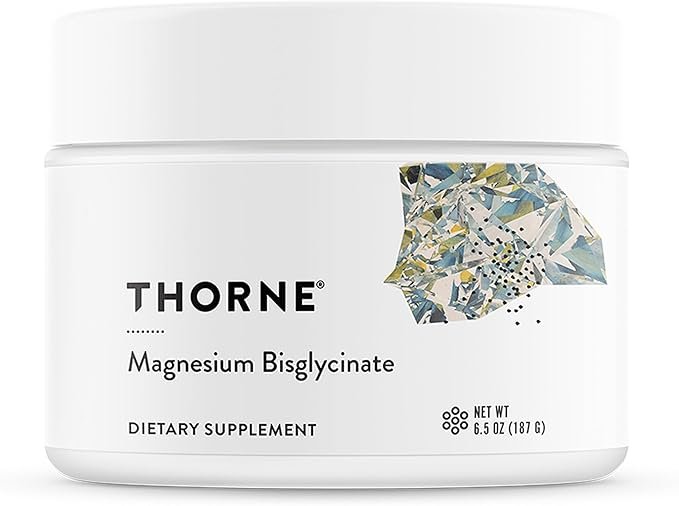
Thorne Magnesium Bisglycinate
60 Servings
Affiliate link
Best Protein Powders for Older Adults: Maintain Muscle Mass & Strength
Disclosure: This article contains affiliate links. If you purchase through these links, we may earn a commission at no extra cost to you. We only recommend products we believe support healthy aging.
The Independence You've Earned Depends on the Muscle You Keep
Imagine struggling to lift your grandchild, feeling unsteady on stairs, or needing help opening a jar. These aren't inevitable parts of aging—they're warning signs of sarcopenia, the progressive loss of muscle mass that threatens the independence of millions of older adults.
Here's the sobering truth: After age 50, adults lose approximately 1-2% of their muscle mass annually. Without intervention, this accelerates to 3% per year after 60. Over a decade, that's potentially 30% of your strength—gone. What does that mean practically? It means the difference between confidently navigating your daily life and becoming dependent on others for basic tasks.
But here's the empowering reality: This muscle loss isn't written in stone. With the right nutrition—particularly adequate protein intake—and consistent resistance training, you can maintain, and even rebuild, muscle mass well into your 70s, 80s, and beyond. The key lies in understanding that your protein needs have changed, and meeting them strategically with the best protein powders for older adults.
Why Your Protein Needs Increase with Age
If you're eating the same amount of protein you did at 40, you're likely falling short. The reason lies in a phenomenon called "anabolic resistance"—a term that sounds complex but describes something straightforward.
Think of your muscles as a construction site. When you were younger, a small delivery of building materials (protein) was enough to trigger robust construction (muscle building). But as you age, your muscles become more resistant to the construction signal. They need a larger delivery of materials—more protein per meal—to stimulate the same muscle-building response.
This happens because:
- Reduced protein digestion and absorption: Your digestive system becomes less efficient at breaking down and absorbing amino acids from protein.
- Decreased muscle sensitivity to protein: Your muscle cells become less responsive to the anabolic (muscle-building) signals triggered by protein consumption.
- Lower baseline protein synthesis: The constant background process of muscle maintenance and repair slows down.
- Inflammation and hormonal changes: Age-related inflammation and declining growth hormone levels further impair muscle building.
The solution? You need to consume more protein per meal—specifically, higher amounts of leucine, the key amino acid that triggers muscle protein synthesis. This is where strategic protein supplementation becomes not just helpful, but essential for many older adults.
How Much Protein Do Older Adults Really Need?
The outdated Recommended Daily Allowance (RDA) of 0.8 grams of protein per kilogram of body weight was designed to prevent deficiency, not optimize health. For older adults focused on maintaining muscle mass and strength, current research points to significantly higher needs.
Evidence-based recommendations for adults over 55:
- Minimum target: 1.2 grams of protein per kilogram of body weight daily
- Optimal range: 1.2-1.6 g/kg body weight per day
- For active individuals or during recovery: Up to 2.0 g/kg may be beneficial
What does this mean practically?
- A 70 kg (154 lb) woman should aim for 84-112 grams of protein daily
- An 85 kg (187 lb) man should target 102-136 grams of protein daily
Even more important than total daily protein is distribution: Research shows that consuming 25-40 grams of high-quality protein per meal, spread across three meals, maximizes muscle protein synthesis throughout the day. This is where protein powders excel—they make it simple to hit these targets without excessive calories or digestive burden.
Top 5 Best Protein Powders for Older Adults
1. Whey Protein Isolate: The Gold Standard for Muscle Preservation
Why It Works for Older Adults
Whey protein isolate stands as the most researched and effective protein for combating age-related muscle loss. It's rapidly digested and absorbed, delivering amino acids to your muscles quickly when they need them most. More importantly, whey is extraordinarily rich in leucine—containing approximately 2.5-3 grams per 25-gram serving—the exact amino acid that older muscles need in higher quantities to overcome anabolic resistance.
Unlike whey concentrate, whey isolate is filtered to remove virtually all lactose and fat, making it over 90% pure protein. This means easier digestion for older adults who may struggle with dairy, fewer calories per protein gram, and minimal bloating or digestive discomfort.
Best Timing
- Immediately after resistance training: Capitalizes on the post-exercise window when muscles are primed for growth
- At breakfast: Reverses overnight muscle breakdown and sets the stage for protein synthesis throughout the day
- Between meals: Maintains steady amino acid availability when whole food meals are spaced far apart
What to Look For
- At least 25 grams of protein per serving
- Minimum 2.5 grams of leucine per serving (check amino acid profile)
- Cold-processed or micro-filtered (preserves protein quality)
- Third-party tested for purity (NSF Certified for Sport, Informed-Choice)
- Minimal additives, artificial sweeteners, or fillers
2. Casein Protein: Nighttime Muscle Protection
Why It Works for Older Adults
While whey works fast, casein takes the opposite approach—and that's exactly what makes it valuable. Casein forms a gel in your stomach, releasing amino acids slowly and steadily over 6-8 hours. For older adults, this extended release addresses a critical vulnerability: the long overnight fast when muscle breakdown accelerates.
During sleep, your body enters a catabolic (breakdown) state. Without incoming nutrients, it breaks down muscle tissue to meet amino acid needs. A serving of casein before bed provides a sustained amino acid stream throughout the night, protecting hard-earned muscle and promoting recovery.
Best Timing
- 30-60 minutes before bed: Maximizes overnight muscle protection and recovery
- During extended periods without food: Useful on busy days when meals are spaced 5-6 hours apart
What to Look For
- Micellar casein (slowest digesting form)
- 20-30 grams of protein per serving
- Minimal added sugars (can interfere with sleep quality)
- Easy mixability (older formulas were notoriously thick)
Practical Tip: Mix casein with water or unsweetened almond milk rather than regular milk to avoid excess calories before bed. Add a tablespoon of ground flaxseed for healthy fats that further slow digestion.
3. Collagen Protein: Supporting Joints, Bones, and Muscle
Why It Works for Older Adults
Collagen protein serves a unique role among the best protein powders for older adults. While it doesn't stimulate muscle protein synthesis as effectively as whey (it's lower in leucine), collagen provides specific amino acids—particularly glycine, proline, and hydroxyproline—that support connective tissue health.
For older adults, this matters tremendously. Joint pain, tendon stiffness, and reduced bone density often limit physical activity, which accelerates muscle loss. Collagen supplementation has been shown to reduce joint pain, improve mobility, and support bone mineral density—removing barriers to the resistance training that's essential for maintaining muscle.
Recent research also suggests that combining collagen with vitamin C before exercise enhances collagen synthesis in tendons and ligaments, supporting the structural framework that allows muscles to function optimally.
Best Timing
- 30-60 minutes before exercise: With 50mg of vitamin C to maximize connective tissue benefits
- As part of a protein blend: Combined with whey or plant proteins to get both muscle-building and joint-supporting benefits
What to Look For
- Hydrolyzed collagen peptides (superior absorption)
- Type I and III collagen (most abundant in muscles and tendons)
- Grass-fed, pasture-raised sources when possible
- Unflavored options (mixes easily into coffee, smoothies, or oatmeal)
Important Note: Collagen should complement, not replace, complete proteins like whey or plant-based options. Think of it as a specialized supplement for joint and connective tissue health within a broader protein strategy.
4. Plant-Based Protein Blends: Complete Nutrition for Sensitive Digestion
Why It Works for Older Adults
Many older adults struggle with dairy digestion, experience inflammation from animal proteins, or simply prefer plant-based nutrition. The challenge with most single-source plant proteins (pea, rice, hemp) is that they're "incomplete"—lacking optimal amounts of one or more essential amino acids.
However, high-quality plant-based blends—particularly combinations of pea and rice protein—provide a complete amino acid profile that rivals whey. Pea protein is rich in lysine but lower in methionine; rice protein is high in methionine but lower in lysine. Together, they form a complementary partnership that delivers all nine essential amino acids in optimal ratios.
Modern plant blends also address digestibility concerns. Many are formulated with digestive enzymes (protease, amylase) that help older digestive systems break down and absorb protein more efficiently, reducing gas, bloating, and discomfort.
Best Timing
- Any time of day: Plant proteins digest at a moderate rate, making them versatile
- Post-workout: Effective for muscle recovery when providing 30+ grams per serving
- As a meal replacement: Often contains added fiber, supporting digestive health
What to Look For
- Blend of complementary proteins (pea + rice, or pea + rice + hemp)
- At least 25 grams of protein per serving
- Fortified with leucine (aim for 2.5+ grams per serving)
- Added digestive enzymes for easier absorption
- Organic, non-GMO certifications
- Third-party tested for heavy metals (important for rice protein)
Practical Tip: If you find plant proteins have a grainy texture, blend them with frozen fruit, spinach, and nut butter in a smoothie. The additional ingredients mask texture while adding nutrients that support overall health.
5. Protein + Creatine Formulas: Synergistic Strength Support
Why It Works for Older Adults
The combination of protein and creatine represents one of the most powerful nutritional strategies for older adults. While protein provides the building blocks for muscle tissue, creatine enhances the energy production within muscle cells, allowing for more intense training and faster recovery.
Research specifically in older adults shows that combining protein supplementation with creatine produces superior results compared to either alone: greater increases in muscle mass, more significant strength gains, and better functional performance in daily activities. Creatine also supports cognitive function, bone density, and reduces exercise-related inflammation—all critical concerns for this age group.
The typical dose of 3-5 grams of creatine monohydrate daily is safe, well-researched, and effective. When combined with protein's muscle-building effects, you create a comprehensive approach to combating sarcopenia.
Best Timing
- Post-workout: Maximizes muscle protein synthesis and creatine uptake
- Consistent daily timing: Creatine works through saturation, so timing matters less than consistency
What to Look For
- 20-30 grams of high-quality protein (whey or plant-based)
- 3-5 grams of creatine monohydrate per serving
- Micronized creatine (better dissolution and absorption)
- Optional: Added leucine for enhanced muscle protein synthesis
- Creapure® certified creatine (pharmaceutical-grade purity)
Important Note: Despite outdated concerns, creatine is safe for healthy older adults and does not harm kidney function in those without pre-existing kidney disease. Always stay well-hydrated when using creatine, as it pulls water into muscle cells.
Shop quality protein and creatine formulas at i-Supplements →
Protein Timing Strategies for Older Adults
When you eat protein matters nearly as much as how much you eat. Due to anabolic resistance, older adults benefit from a distribution strategy rather than loading most protein into one meal.
The Optimal Distribution Pattern
Goal: Consume 25-40 grams of high-quality protein at each of three meals, with optional snacks if needed to reach total daily targets.
Breakfast: The Most Critical Meal
Many older adults eat minimal protein at breakfast—toast, cereal, fruit. This is a missed opportunity. After an overnight fast, your muscles are in a catabolic state. A protein-rich breakfast (30-40 grams) immediately reverses muscle breakdown and stimulates protein synthesis for hours afterward.
Easy implementation: Add one scoop of protein powder to oatmeal, Greek yogurt, or a smoothie alongside eggs or cottage cheese.
Lunch and Dinner
Aim for similar amounts: 25-40 grams per meal. Build meals around a palm-sized portion of fish, chicken, lean beef, or legumes, supplemented with protein powder if needed to reach targets.
Pre-Bed Protein
A serving of slow-digesting casein protein (20-30 grams) before bed protects muscle during the overnight fast and supports recovery.
Special Timing Considerations
- Post-exercise window: Consume 25-40 grams of fast-digesting protein (whey or fortified plant blend) within 2 hours after resistance training
- Leucine threshold: Each meal should contain at least 2.5-3 grams of leucine to maximally stimulate muscle protein synthesis
- Avoid skewing: Don't eat 15 grams at breakfast, 20 at lunch, and 80 at dinner—distribute evenly for best results
Combining Protein with Exercise: The Essential Partnership
Here's a truth that cannot be overstated: Protein alone will not build muscle. Without the stimulus of resistance training, additional protein simply provides expensive calories. But when combined with regular strength training, protein becomes the fuel for remarkable transformation.
Why Resistance Training Is Non-Negotiable
Resistance training sends a powerful signal to your muscles: "You're needed. Get stronger." This signal activates muscle protein synthesis pathways and makes your muscles more sensitive to the protein you consume. Without this signal, protein can only slow muscle loss—it cannot reverse it.
The Minimum Effective Dose
- Frequency: 2-3 sessions per week targeting all major muscle groups
- Intensity: Challenging enough that the last 2-3 repetitions feel difficult
- Progression: Gradually increase weight, repetitions, or sets every 2-3 weeks
- Forms that work: Free weights, machines, resistance bands, bodyweight exercises, or water-based resistance
Protein's Role in Exercise Recovery
For older adults, recovery takes longer. Protein supplementation addresses this by:
- Reducing muscle damage and soreness after training
- Accelerating repair of micro-tears in muscle fibers
- Supporting immune function (intense exercise temporarily suppresses immunity)
- Maintaining muscle protein synthesis between training sessions
Practical Protocol: Consume 25-40 grams of fast-digesting protein (whey isolate or fortified plant blend) within 2 hours after resistance training, paired with a source of easily digestible carbohydrates (banana, honey, or oats) to enhance protein uptake and replenish energy stores.
Common Mistakes to Avoid
1. Consuming All Protein in One Meal
Your muscles can only utilize about 25-40 grams of protein per meal for muscle building. Eating 100 grams at dinner doesn't compensate for inadequate intake at breakfast and lunch—it just creates expensive urine.
2. Choosing Protein Based on Price Alone
Cheap protein powders often contain "protein spiking" (added amino acids that inflate protein content on labels but don't build muscle) or are contaminated with heavy metals. Third-party testing certifications matter—they're worth the extra cost.
3. Neglecting Leucine Content
Not all proteins are equal. A protein powder with 25 grams of protein but only 1.5 grams of leucine won't stimulate muscle protein synthesis as effectively as one with 2.5-3 grams, even at the same total protein level.
4. Ignoring Digestibility
The best protein powder is the one you'll actually use consistently. If whey upsets your stomach, switch to a high-quality plant blend with digestive enzymes. Digestive discomfort leads to non-compliance, which defeats the purpose.
5. Expecting Results Without Resistance Training
Protein supplementation optimizes results from exercise—it doesn't replace it. You cannot supplement your way to muscle without providing the training stimulus that tells your body to build it.
6. Inconsistent Timing
Sporadic protein intake—high some days, low others—provides inferior results compared to consistent daily intake. Your muscles need a steady supply of amino acids to maintain positive protein balance.
7. Overlooking Whole Food Sources
Protein powders are supplements, not replacements for whole foods. Prioritize protein-rich foods (fish, poultry, lean meat, eggs, dairy, legumes) and use powders to conveniently reach your targets when whole foods fall short.
Frequently Asked Questions
Will high protein intake damage my kidneys?
This myth persists despite extensive research showing that high protein intake does not harm healthy kidneys. Multiple studies in older adults consuming 1.2-2.0 g/kg of protein daily show no adverse effects on kidney function over periods of 6-24 months.
However, if you have pre-existing kidney disease, you should consult your physician before significantly increasing protein intake. For healthy older adults, the benefits of adequate protein far outweigh hypothetical risks.
Why do protein powders upset my stomach, and what can I do about it?
Digestive discomfort from protein powders usually stems from lactose (in whey concentrate), artificial sweeteners (especially sugar alcohols), or rapid consumption of large amounts.
Solutions:
- Switch to whey isolate (lactose-free) or plant-based options
- Choose products with minimal artificial sweeteners
- Look for formulas containing digestive enzymes
- Consume protein shakes slowly rather than gulping them down
- Start with half servings and gradually increase
- Take with food if consuming on an empty stomach causes issues
How do I make protein powders taste better?
Taste is a common barrier to consistent use. Try these strategies:
- Temperature matters: Most protein powders taste better when cold. Mix with ice or refrigerated liquids.
- Blend, don't shake: Blending with frozen fruit, spinach, nut butter, and a banana creates a smoothie that masks protein powder taste and texture.
- Mix into foods: Unflavored protein can be stirred into oatmeal, Greek yogurt, pancake batter, or soup.
- Flavor boosters: Add cocoa powder, vanilla extract, cinnamon, or instant coffee to enhance flavor without calories.
- Try different brands: Flavor and texture vary dramatically between brands. Sample sizes help you find one you enjoy.
Can I get enough protein from food alone without supplements?
Yes, it's absolutely possible to meet protein needs through whole foods. A diet including fish, poultry, lean meat, eggs, dairy, legumes, and nuts can easily provide 1.2-1.6 g/kg of protein daily.
However, protein powders offer practical advantages for many older adults:
- Convenience when appetite is reduced or meal preparation is challenging
- Concentrated protein without excessive calories
- Easy-to-consume option for those with chewing or swallowing difficulties
- Portable nutrition for busy schedules
- Precise dosing for meeting per-meal protein targets
Think of protein powder as a tool, not a necessity. Use it when it makes meeting your protein goals easier and more consistent.
When will I see results from increased protein intake?
Timeline for noticeable changes:
- 2-4 weeks: Improved recovery after exercise, reduced muscle soreness, increased energy
- 4-8 weeks: Measurable strength gains when combined with resistance training
- 8-12 weeks: Visible increases in muscle mass, improved functional performance in daily activities
- 3-6 months: Significant body composition changes, substantial strength improvements, enhanced independence in daily tasks
Remember: Muscle building in older adults is slower than in younger people, but it's absolutely achievable. Consistency over months, not weeks, produces transformative results.
Do I need different protein powders, or can I stick with one type?
While you can certainly use one high-quality protein powder (like whey isolate) for all purposes, combining different types optimizes results:
- Strategic approach: Fast-digesting whey after workouts and at breakfast, slow-digesting casein before bed, collagen before exercise for joint support
- Simple approach: One high-quality whey isolate or plant-based blend used consistently throughout the day
The best approach is the one you'll follow consistently. If managing multiple supplements feels overwhelming, choose one excellent protein powder and use it daily. Consistency trumps complexity.
Your Simple Implementation Plan
Understanding the science matters, but action creates results. Here's your straightforward, actionable plan to leverage the best protein powders for older adults and reclaim your strength:
Week 1: Establish Your Baseline
- Calculate your protein target (1.2-1.6 g/kg body weight)
- Track your current protein intake for 3-4 days to identify gaps
- Choose one high-quality protein powder that fits your preferences and budget
Week 2-4: Build the Habit
- Add one protein shake daily at your lowest-protein meal (usually breakfast)
- Aim for 25-40 grams of total protein at breakfast, including the shake
- Begin or continue resistance training 2-3 times per week
- Consume protein within 2 hours after workouts
Month 2-3: Optimize and Refine
- Ensure each main meal contains 25-40 grams of protein
- Add a casein shake before bed if you wake up feeling stiff or sore
- Track strength improvements (weight lifted, repetitions completed)
- Notice functional improvements (stairs feel easier, better balance, increased stamina)
Month 4+: Maintain and Adjust
- Continue consistent protein intake and resistance training
- Adjust protein timing based on your schedule and training
- Experiment with different protein types if interested in optimizing further
- Celebrate improvements in strength, independence, and vitality
The Bottom Line
Aging doesn't mean accepting weakness. The muscle loss that threatens your independence isn't inevitable—it's preventable and reversible. By increasing your protein intake to 1.2-1.6 g/kg daily, distributing it strategically throughout the day, and combining it with consistent resistance training, you can maintain and even build muscle well into your later years.
The best protein powders for older adults—whey isolate for fast absorption and leucine content, casein for overnight protection, collagen for joint support, plant-based blends for sensitive digestion, and protein-creatine formulas for synergistic benefits—make meeting these increased protein needs simple, convenient, and effective.
Your independence, vitality, and quality of life depend on the muscle you keep. Start today. Your future self will thank you.
NOW Magnesium Glycinate
180 Tablets | Trusted Quality
Affiliate link - we may earn a commission at no extra cost to you